If you attended Universal Technical Institute (UTI) and feel you were misled about educational quality, job outcomes, cost, or federal aid, you might be eligible for Borrower Defense to Repayment relief. This article uncovers key legal issues and historical investigations linked to UTI — information that can strengthen your claim.
Even though UTI still operates and offers training for automotive and technical careers, students and former students have raised serious legal and regulatory concerns — including federal investigations, compliance issues, and internal disputes that should matter to you as a borrower.
In 2012–2013, UTI faced a Federal False Claims Act investigation initiated by a whistleblower alleging UTI paid admissions representatives in violation of the incentive compensation ban of the Higher Education Act — a violation that can indicate aggressive enrollment that misled students and triggered federal funds based on questionable practices. The U.S. Department of Justice (DOJ) ultimately declined to intervene, and the Department of Labor (DOL) closed its related investigation, but UTI chose to settle with the whistleblower rather than incur protracted litigation costs — a settlement that itself signals past compliance concerns.
👉 Why this matters:
Even when federal agencies close investigations, the underlying allegations — especially around recruitment violations — mirror many borrower defense complaints where students claim they were misled into costly programs.
UTI’s public financial documents disclose ongoing and periodic regulatory investigations and compliance scrutiny related to Title IV federal student financial aid programs. These statements confirm that the institute is subject to federal compliance requirements, and that failure to meet them could risk eligibility for federal funds — a situation that mirrors many borrower defense cases where institutional promises and outcomes diverge.
Federal reporting shows that at least one campus — Universal Technical Institute of Texas — experienced a cohort default rate high enough to delay federal loan disbursements to students. While this doesn’t automatically prove misconduct, rising default rates are often symptomatic of students not achieving promised outcomes.
UTI requires students to sign binding arbitration agreements that restrict students from suing directly in court — a practice that often shields institutions from deeper public legal scrutiny. That limits transparency around student complaints and often forces disputes into private arbitration, which students rarely win or even bring because of time, cost, and complexity.
When you argue Borrower Defense to Repayment, the U.S. Department of Education will evaluate whether your school misled you or engaged in misconduct that affected your decision to enroll or borrow federal loans. The following legal and regulatory issues above you can reference:
✔ History of federal investigations into alleged compensation violations
✔ Settlements related to alleged misconduct
✔ High cohort default rate consequences for students
✔ Mandatory arbitration that limits legal recourse
If you want to build and submit your own Borrower Defense claim, start with our step‑by‑step DIY guide here:
👉https://defenseclaims.com/borrower-defense-diy-guide
Already checked your options? Compare Universal Technical Institute to other schools with known misconduct here:
👉 https://defenseclaims.com/usable-misconduct
Curious where UTI fits among all colleges? See the full list here:
👉 https://defenseclaims.com/all-universities
Large federal settlements like the Sweet v. Cardona agreement recognize that misrepresentation by colleges justifies relief — and though UTI isn’t specifically listed, understanding these nationwide standards empowers your claim.
Universal Technical Institute may show up as a reputable career training provider — but its regulatory history, federal compliance scrutiny, and settlement background can be leveraged to justify your Borrower Defense claim if the school misled you about costs, job prospects, or financial aid.
To take control of your student debt situation:
Start your Borrower Defense claim now — whether DIY or with expert help.

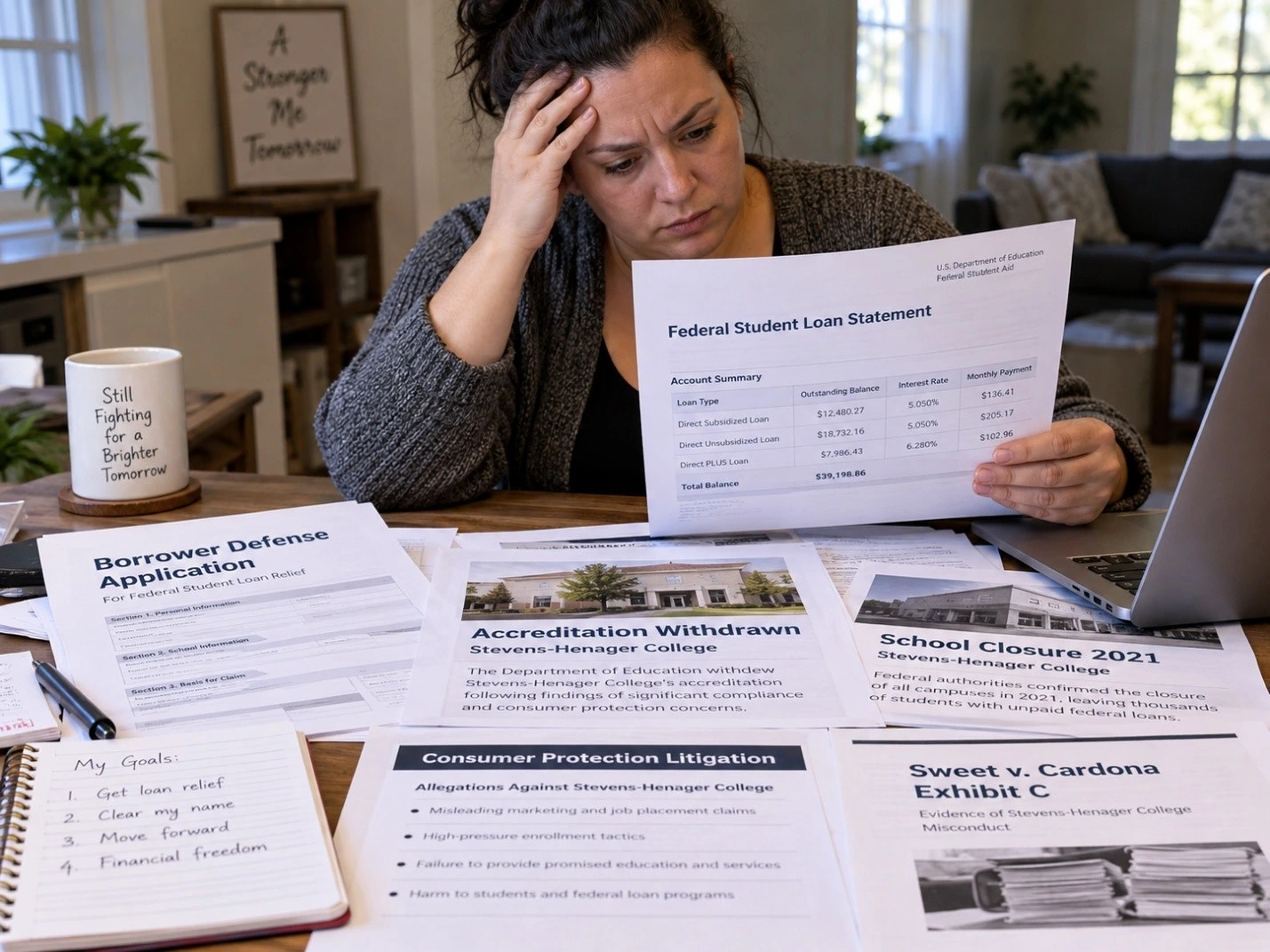
Attended Stevens-Henager College? Discover its lawsuits, accreditation loss, 2021 closure, Sweet v. Cardona listing, and student loan forgiveness options...
Read More...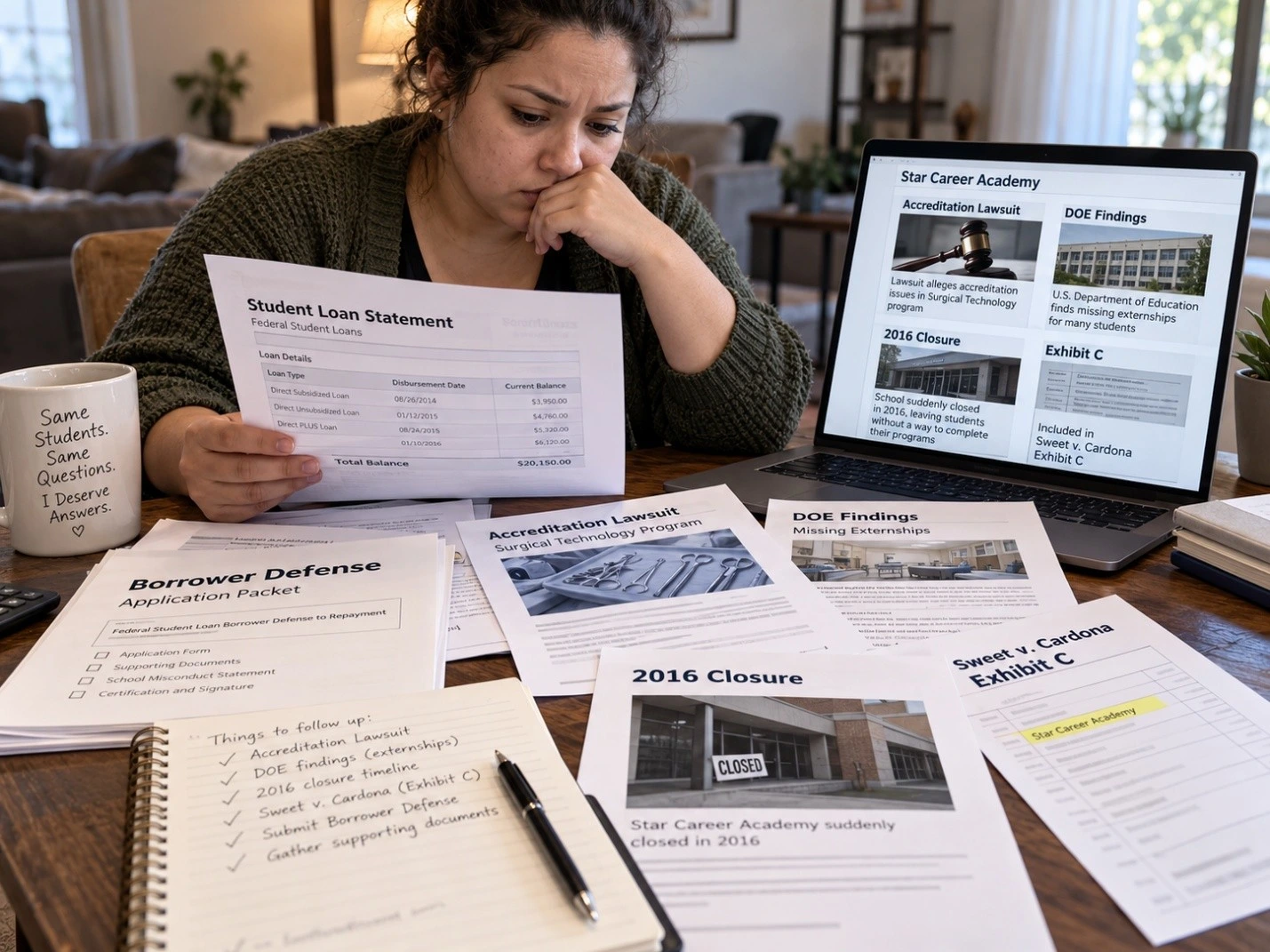
Attended Star Career Academy? Discover its accreditation lawsuit, federal investigations, 2016 closure, Sweet v. Cardona listing, and student loan forgiveness options...
Read More...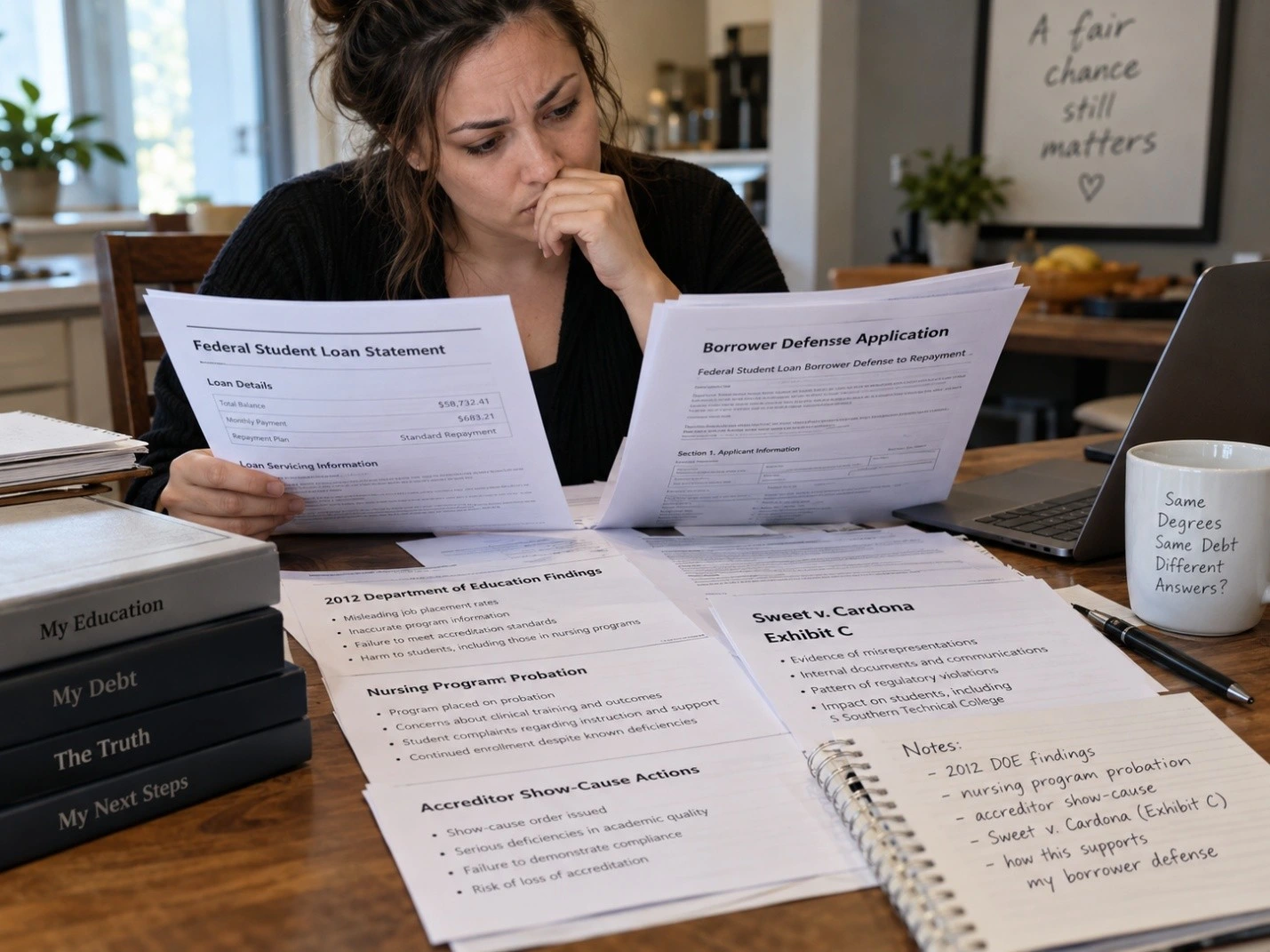
Southern Technical College faced federal financial aid findings, nursing probation, and accreditor scrutiny. Explore Sweet v. Cardona and loan forgiveness options....
Read More...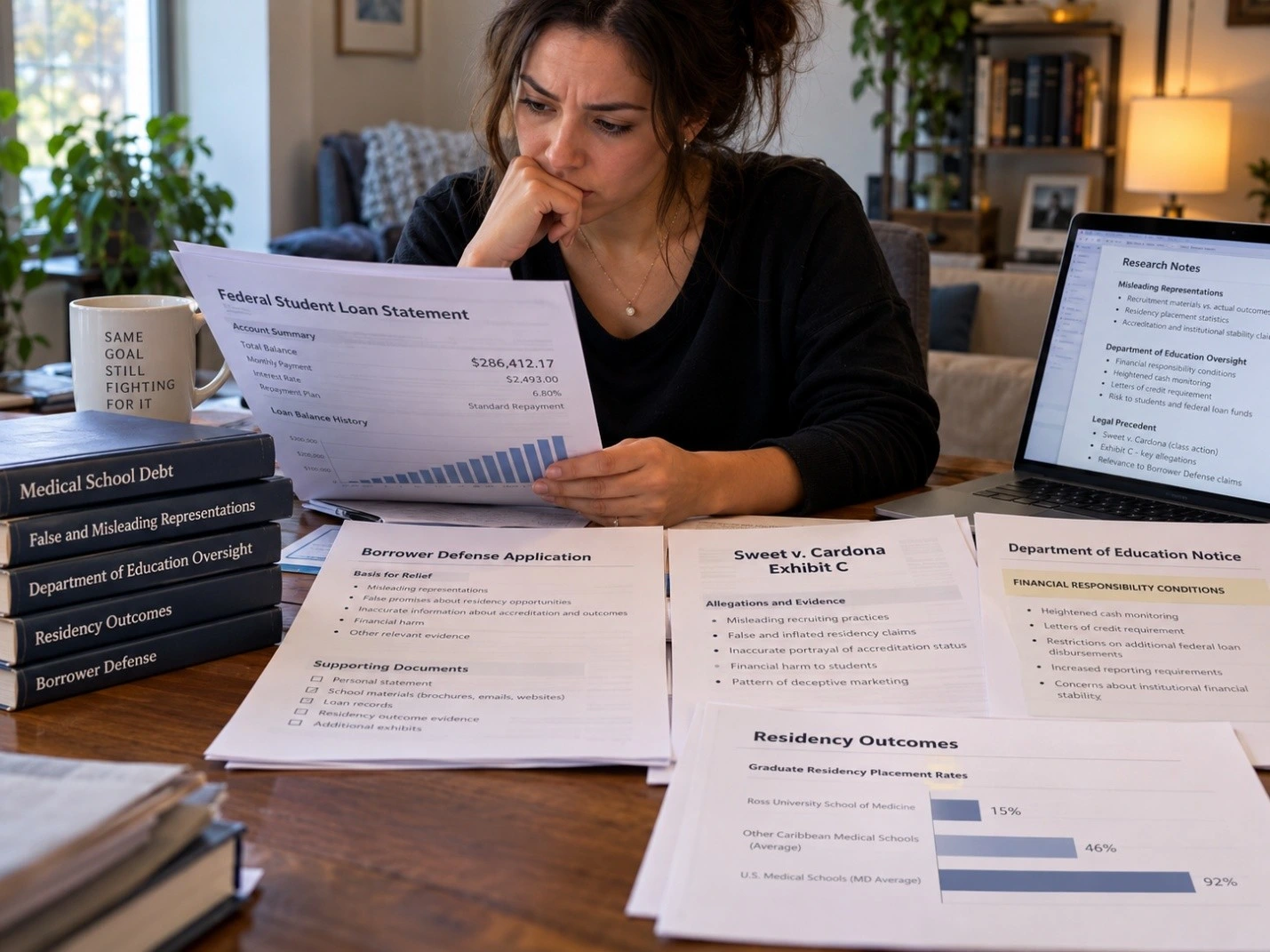
Attended Ross University School of Medicine? Discover lawsuits, student debt concerns, Sweet v. Cardona Exhibit C, and Borrower Defense options....
Read More...
Attended Remington College? Federal investigations, a DOJ settlement, recruiting complaints and Sweet v. Cardona records may matter for Borrower Defense...
Read More...
Attended Purdue University Global or Kaplan University? Learn about Sweet v. Cardona Exhibit C, government investigations, recruiting concerns, settlements, and potential Borrower Defense student loan relief...
Read More...
Attended New England Institute of Art? Learn about government findings, a major Massachusetts judgment, Art Institutes student loan discharges, and Borrower Defense options....
Read More...
Attended New England College of Business and Finance? Learn about its 2018 Massachusetts AG settlement, recruitment allegations, Sweet v. Cardona listing, and Borrower Defense options....
Read More...
Attended Mount Washington College or Hesser College? See its Sweet v. Cardona listing, Kaplan regulatory history, and Borrower Defense options....
Read More...
Former Missouri College student reviewing federal student loan and Borrower Defense documents after learning about the Career Education Corporation multistate settlement, alleged recruiting and job-placement practices, Missouri College's 2016 closure, and its inclusion in the corrected Sweet v. Cardona Exhibit C...
Read More...
Attended Miller-Motte College? A major student lawsuit, Department of Education references, accreditation actions, and Sweet v. Cardona Exhibit C could provide important evidence for a Borrower Defense claim....
Read More...
Attended Miami-Jacobs Career College? Discover lawsuits, accreditation disputes, Ohio regulatory findings, Sweet v. Cardona, and possible Borrower Defense relief....
Read More...
The highest level of education and consulting in Borrower Defense for Student Loans.

Legal Touch Borrower Defense - Copyright . All rights reserved. Designed by Explore Logics